
T:400-6130-885
E: cservice@xx.com
E: cservice@xx.com
5thfloor, Financial Innovation Plaza, 8-2 Pusi Road, Jiangbei New District, Nanjing
Friendly link (QQ: 3004257586)
Friendly link (QQ: 3004257586)
Views: 0 Author: Site Editor Publish Time: 2026-07-23 Origin: Site
It happens unexpectedly. You load wet laundry, press the start button, and hear a harsh grinding noise. Soon, rhythmic thumping replaces the usual quiet hum. These disruptive sounds clearly signal severe mechanical wear inside your appliance.
Drum support components carry the heaviest physical burden. Shafts, bearings, and rollers constantly manage the intense friction and weight of tumbling wet clothes. When they begin failing, you face a critical decision. You must choose between a costly complete machine replacement or a targeted component repair.
Upgrading or replacing worn components with a high-quality tumble dryer shaft kit is a highly cost-effective intervention. It rapidly restores operational balance. Furthermore, it stops secondary motor damage in its tracks. Taking decisive action ultimately extends the functional service life of your appliance by several years.
Accurate diagnosis is your first line of defense. Appliance repair professionals rely on a specific diagnostic framework to pinpoint component failures. You can use these same techniques to confirm whether the shaft and bearing assembly is failing, rather than the drive belt or motor.
Physical indicators usually present themselves long before the appliance stops running completely. Pay close attention to these distinct warning signs:
Ignoring early warning signs leads to cascading mechanical failures. A worn shaft assembly generates massive amounts of friction. This friction acts like a brake against the drum.
To keep the drum turning, the drive motor must work harder. It begins drawing higher electrical amperage. This overcompensation generates dangerous levels of excess heat. Eventually, this heat causes thermal fuses to blow. If the fuses fail to trip quickly enough, the prolonged strain will melt the motor windings. What starts as a simple shaft issue quickly evolves into complete motor burnout.
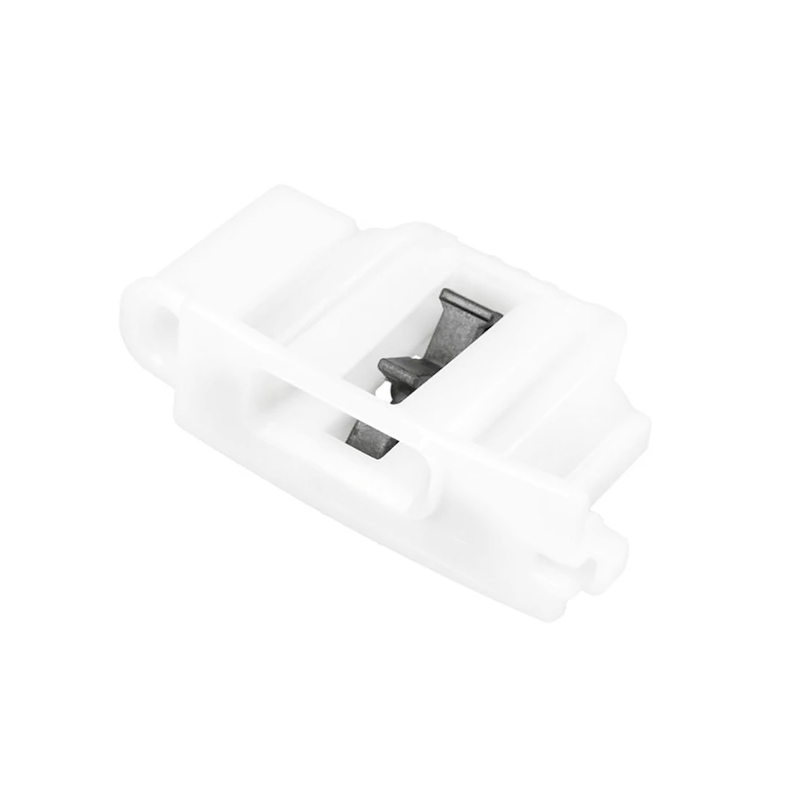
Choosing the right replacement parts dictates the success of your repair. The market offers a dizzying array of options. Understanding the core differences between Original Equipment Manufacturer (OEM) parts and aftermarket alternatives prevents premature re-failure.
Material science plays a crucial role in appliance longevity. Genuine OEM parts typically utilize hardened steel alloys for the main shaft. These alloys resist scoring and bending under heavy loads. In contrast, budget aftermarket kits often use lower-carbon steel.
Bearing construction also varies wildly. Premium kits feature porous bronze bearings impregnated with precise amounts of lubricant. Lower-tier alternatives often use solid metal sleeves that generate higher baseline friction. Even a microscopic variance in dimensional tolerance leads to premature wear.
A tumbling drum generates substantial kinetic energy. High-quality kits incorporate advanced vibration resistance. They use finely tuned rubberized mounts and precise shaft alignments to absorb rotational energy. This absorption reduces overall operational noise. More importantly, it minimizes structural fatigue on the entire appliance cabinet.
Never trust a generic "universal fit" label. Universal designs often feature slight dimensional variances to accommodate multiple brands. A millimeter difference in shaft length causes the drum to wobble. This wobble creates uneven belt wear and stresses the motor pulley.
Always verify compatibility using your exact appliance model number. Cross-reference this number with the manufacturer's official parts diagram. Exact matches ensure the drum maintains a perfectly balanced rotation.
Premium replacement kits offer significantly longer lifecycles. The upfront investment pays off in operational hours.
Evaluation Matrix
| Component Aspect | OEM / Premium Kits | Budget Aftermarket Kits |
|---|---|---|
| Steel Grading | Hardened alloy (high resistance to scoring) | Low-carbon steel (prone to bending) |
| Tolerance Variance | Exact match (<0.1mm variance) | Broad variance (leads to wobble) |
| Expected Lifespan | 5 to 8+ years (heavy use) | 1 to 3 years (moderate use) |
| Warranty Coverage | 1 year to lifetime guarantee | Often 30 to 90 days |
When appliances fail, consumers often rush to buy new units. However, evaluating the actual financial impact reveals a different reality. Repairing your machine is usually the smarter economic choice.
Let us examine the raw numbers. Purchasing a high-quality tumble dryer shaft kit typically represents a minor fraction of a new machine's price tag. Even when you factor in professional labor rates, the repair remains highly competitive.
Cost Comparison Chart
| Financial Factor | Targeted Component Repair | New Appliance Purchase |
|---|---|---|
| Base Material Cost | $30 - $80 (Shaft Kit) | $600 - $1,200+ |
| Labor / Installation | $0 (DIY) or $120 - $200 (Pro) | $0 - $150 (Installation Fee) |
| Ancillary Fees | Minimal to None | $50+ (Haul-away, new vent hoses) |
| Total Estimated Outlay | $30 to $280 | $650 to $1,400+ |
Repair offers a definitive return on investment under specific conditions. If your appliance is less than seven years old, repairing it makes exceptional financial sense. Older machines built with robust, analog components often outlast modern digital counterparts. If the heating element, control board, and motor still operate optimally, replacing the shaft assembly essentially resets the mechanical clock.
New appliances carry deceptive price tags. Retailers rarely include taxes, delivery surcharges, and basic installation fees in the advertised price. Furthermore, local municipalities often mandate disposal or haul-away fees for large appliances. You might also need to purchase updated electrical cords or venting kits to comply with new building codes. These hidden costs easily add hundreds of dollars to a replacement scenario.
Successfully installing a new support system requires careful attention to detail. Proper technique prevents immediate re-failure. You must navigate industry debates and weigh personal mechanical skills against professional expertise.
Appliance technicians fiercely debate lubrication protocols. Older machines frequently required heavy grease on support shafts. However, modern engineering has shifted this standard.
Today, many support rollers and bearings are self-lubricating. Others require highly specific dry lubricants, such as powdered graphite. Applying wet grease or WD-40 is a common, disastrous mistake. Wet lubricants act as a magnet for airborne lint. This mixture quickly transforms into an abrasive paste. The paste aggressively grinds down the new metal, accelerating failure rather than preventing it. Always adhere strictly to the manufacturer's specific lubrication guidelines.
Deciding who performs the repair requires an honest assessment of your technical skills.
DIY Risks: You must disassemble the entire front panel, bulkhead, and drum assembly. Managing high-tension belts and idler pulleys poses physical pinch hazards. Furthermore, seating the new shaft incorrectly leads to immediate misalignment. Improper seating will quickly destroy the new components.
Pro Advantages: Professional technicians offer distinct benefits. They provide accurate primary diagnostics, ensuring no underlying motor issues exist. They possess the specialized tools needed for proper alignment calibration. Additionally, reputable repair services provide liability coverage and warranties on their labor.
Do not immediately load wet laundry after reassembly. You must validate the repair using a structured testing process.
Replacing the physical hardware is only half the battle. You must adopt proper operational habits to protect your investment. Routine maintenance preserves the integrity of the new components.
Overloading is the primary enemy of drum support components. Heavy, saturated loads exert massive downward physical force on the newly installed shaft. This excessive weight compresses the support rollers and stresses the bearing sleeve.
Fill the drum no more than three-quarters full. Allow ample room for garments to tumble freely. Washing heavy items, like thick blankets or heavy denim, in smaller batches significantly reduces mechanical strain.
Internal operating temperatures directly impact mechanical longevity. Blocked airflow causes the machine to run hotter and longer. This excessive heat degrades bearing materials and dries out specialized lubricants.
Clean the internal lint trap before every single cycle. Once a year, disconnect the main exhaust hose from the wall. Vacuum out any accumulated debris inside the ductwork. Unrestricted airflow reduces internal cabin friction and protects metal integrity.
Proactive monitoring prevents sudden breakdowns. Perform a brief auditory and manual check every six months. Spin the empty drum by hand to confirm it still rotates smoothly. Listen for any early signs of squeaking. Catching minor alignment issues early allows you to correct them before they inflict catastrophic damage on the main assembly.
Ignoring mechanical symptoms rarely ends well. A failing drum support system acts like a parasite, draining energy and slowly destroying vital drive components. Replacing these struggling parts with a premium tumble dryer shaft kit is a proven, high-ROI strategy. It salvages an otherwise fully functional appliance for a fraction of the cost of buying new.
Take proactive steps today. Locate the exact model number printed on the sticker inside your appliance door. Use this information to evaluate OEM and reputable aftermarket replacement options. If you lack the tools or confidence for a DIY approach, source quotes from qualified local appliance technicians immediately. Acting quickly preserves your machine and protects your wallet.
A: A high-quality OEM or premium aftermarket kit typically lasts between 5 to 8 years under normal household usage (4 to 5 loads per week). Budget kits may only survive 1 to 3 years. Consistent load management and proper venting heavily influence this lifespan.
A: Yes, absolutely. A worn shaft creates immense physical drag. This excess friction forces the drive motor to overwork, leading to dangerous heat buildup, stretched drive belts, damaged idler pulleys, and ultimately, complete motor burnout.
A: They carry significant risks. Universal kits often have slight tolerance variations designed to fit multiple brands. Even a one-millimeter mismatch causes drum wobble. This wobble creates uneven wear on the belt and rollers, leading to premature failure.
A: No. You should never use wet lubricants like WD-40 or standard heavy grease. Wet lubricants attract highly combustible lint, turning it into an abrasive paste that destroys bearings. Always use the manufacturer-recommended dry lubricant, such as powdered graphite.


