
T:400-6130-885
E: cservice@xx.com
E: cservice@xx.com
5thfloor, Financial Innovation Plaza, 8-2 Pusi Road, Jiangbei New District, Nanjing
Friendly link (QQ: 3004257586)
Friendly link (QQ: 3004257586)
Views: 0 Author: Site Editor Publish Time: 2026-06-30 Origin: Site
You load damp laundry into the dryer, expecting warm, fluffy clothes an hour later. Instead, you find heavy, wet garments and a machine struggling to push air. This frustrating scenario often points directly to a compromised lint filter. Lint represents the natural byproduct of fabric wear and tumble friction during a drying cycle. When the primary collection screen fails, the entire exhaust system suffers immediate consequences.
A neglected screen does not just leave clothes damp. It causes severe airflow restriction. This forces the appliance to work much harder, elevating both utility costs and fire risks significantly. Homeowners frequently struggle to determine if a performance drop requires a simple deep clean, immediate replacement, or a costly service call. Ignoring these early warning signs creates a false economy, as delayed maintenance inevitably leads to expensive repairs.
We will guide you through diagnosing these specific dryer issues effectively. You will learn the exact criteria for evaluating when a screen is completely beyond repair. Finally, we will outline clear steps for sourcing the correct replacement. Following this guide will help you restore your machine's optimal safety and peak performance.
Restricted airflow forces your appliance to work exceptionally hard. This extra mechanical strain directly degrades the machine's lifespan. The dryer's thermal fuse and heating element rely on continuous airflow for cooling. When a blocked filter chokes off this air, internal cavity temperatures spike rapidly. Internal components operate far past their standard thermal limits. The thermal fuse serves as a critical safety device designed to sever electrical power when temperatures exceed safe thresholds. If restricted airflow trips this fuse, the machine shuts down completely. You must then pay for a professional repair to restore basic function.
Energy efficiency takes a massive hit as well. A highly verifiable correlation exists between lint blockage and extended cycle times. Your machine must run significantly longer to extract fabric moisture. You waste electricity or gas every single load. Over a calendar year, this inefficiency adds substantial amounts to your household utility bills. The blower motor also draws more current as it struggles against the vacuum created by a clogged screen.
Safety and compliance risks present the most dangerous cost. Bypassed lint escapes the main trap. It accumulates deeply inside the exhaust vent and wall ducts. Fire safety authorities note this specific buildup significantly elevates residential fire hazards. Highly combustible lint acts as perfect tinder when exposed to overheated internal elements. Operating a heavily blocked machine violates most manufacturer safety guidelines and standard home safety protocols.
Finally, a dirty screen causes severe sensor miscalibration. Modern dryers use advanced internal thermistors and moisture sensors to monitor conditions. Trapped heat triggers false "Check Lint" or "Blockage" error codes. The control board interprets this abnormal heat retention as a critical fault. The machine interrupts cycles prematurely. You return to a pile of wet laundry simply because the sensors detected poor air circulation.
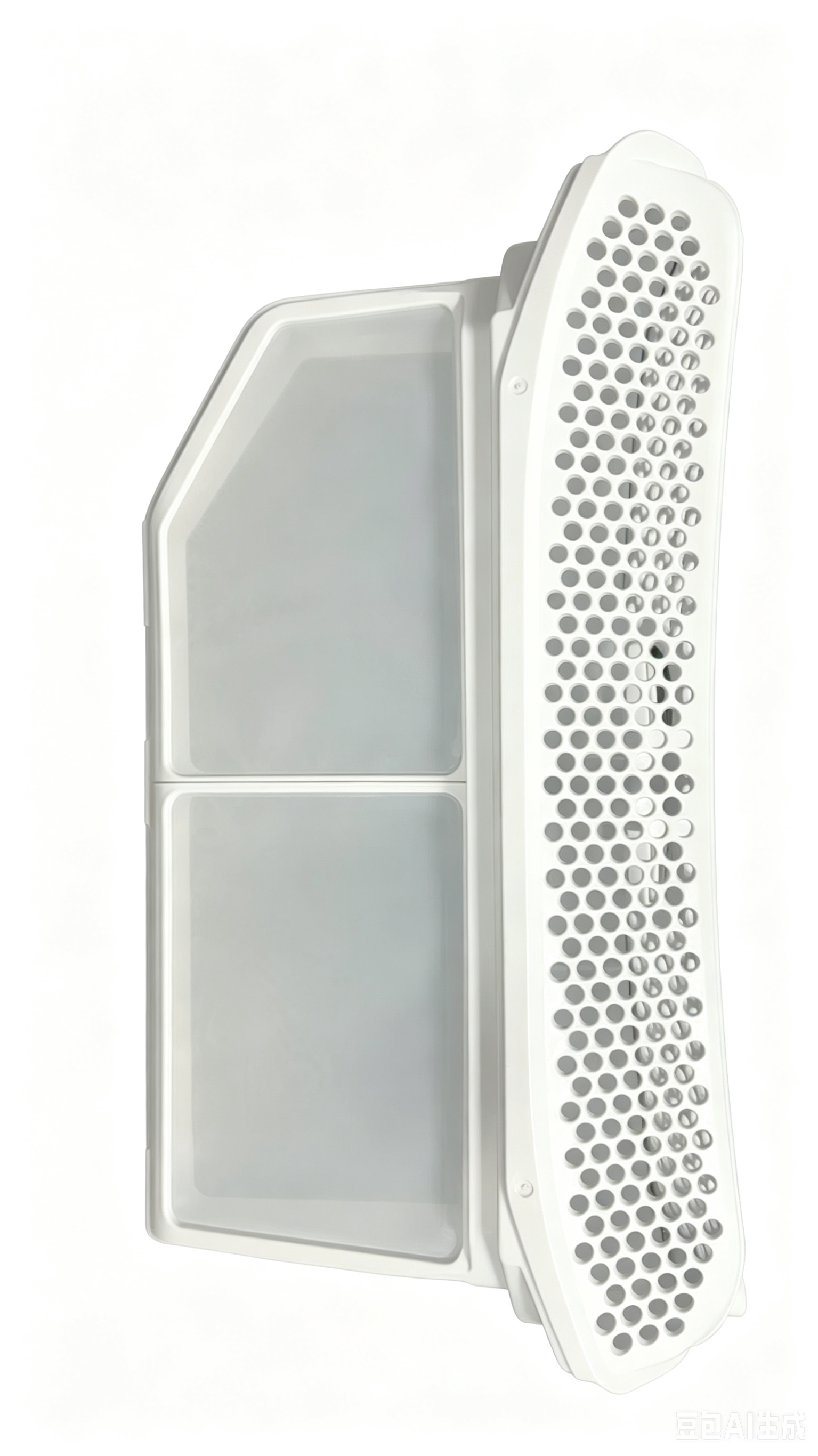
Sometimes a simple dry swipe does not remove invisible barriers. A visible chemical film often coats the mesh over months of use. Fabric softeners and synthetic dryer sheets leave behind a waxy, silicone-based residue. You can easily identify this blockage using the "water test" methodology. Pull the screen out and hold it flat. Pour a few drops of water directly onto the mesh. If the water pools on the surface instead of dripping right through, a chemical film has blinded the pores.
A faint burning odor provides another urgent warning sign. You might notice a hot, dusty smell during a standard cycle. This often indicates trapped lint heating up aggressively against the screen. The restricted airflow forces the heating element to scorch nearby debris. Do not ignore this olfactory warning, as it precedes a potential ignition event.
Damp clothes post-cycle strongly suggest a clogged mesh. The physics of drying require continuous dry air exchange. Reduced air circulation prevents proper moisture evaporation. Hot, humid air cannot escape the drum fast enough. Heavy items like bath towels, blankets, or denim remain stubbornly damp, even after you run a full extended cycle.
Excessive lint on your clothing indicates the trap has reached maximum capacity. When the screen cannot catch any more debris, static electricity causes lint to recirculate. It deposits right back onto your garments inside the spinning drum. If your dark shirts consistently emerge covered in fuzz, you must inspect the trap immediately.
When you notice any of these indicators, implement this standard operating procedure for a thorough deep clean:
Cleaning has strict physical limits. Torn or frayed mesh completely compromises the entire exhaust system. Even millimeter-sized holes present a massive operational problem. They allow lint to bypass the primary trap entirely. This rogue debris settles rapidly into the blower wheel housing and the main heating chamber. Once lint bypasses the screen, you lose control over where it accumulates.
Warped plastic framing ruins the structural integrity of the part. High heat cycles slowly distort polymer edges over thousands of drying hours. The plastic becomes brittle and loses its original shape. A warped frame prevents a flush seal inside the housing slot. Air always follows the path of least resistance. It slips around the distorted edges, carrying heavy lint loads right past the trap.
Broken handles or locking tabs require immediate replacement. A loose frame will rattle violently during high-speed spin cycles, creating disruptive noise. Worse, a damaged structural tab might cause the part to slip downward. It can become permanently stuck inside the lower lint chute. Extracting a jammed screen often requires disassembling the front panel of the machine.
Stubborn, irreversible blockage means cleaning is no longer viable. Calcified hard-water deposits can permanently fuse to the fine mesh. High temperatures sometimes cause melted synthetic fibers to bond directly to the screen materials. When physical scrubbing fails to clear the pores completely, you must discard the unit.
Use the following evaluation table to determine your appropriate next action based on specific visual symptoms:
| Visual Symptom | Impact on Dryer System | Recommended Action |
|---|---|---|
| Waxy film pooling water drops | Airflow restriction, longer cycle times | Deep clean with detergent |
| Visible tears or fraying in mesh | Lint bypasses into blower wheel | Replace immediately |
| Curved or warped outer framing | Fails to seal, lint escapes edges | Replace immediately |
| Melted synthetic fibers on mesh | Permanent airflow blockage | Replace immediately |
| Broken or missing handle tabs | Rattling, risk of jamming in chute | Replace immediately |
When replacing the unit, you must weigh OEM versus aftermarket parts carefully. Original Equipment Manufacturer (OEM) components guarantee perfect dimensional fitment. Third-party filters offer tempting upfront cost savings. However, they carry high risks of poor fitment and premature warping. A poorly fitting aftermarket part can damage your machine's internal housing and immediately void existing warranties.
Locating your exact model number ensures strict cross-compatibility. Never guess your machine's model or rely solely on visual similarities. You will usually find the manufacturer sticker located just inside the front door frame. Sometimes it sits on the upper back console or behind the loading door hinge. Write down this exact alphanumeric code before initiating your search.
Material evaluation separates a cheap replacement from a high-quality one. Look closely at the construction details. Look for reinforced perimeter framing that maintains mesh tension. The plastic should feel rigid and durable, not brittle or overly flexible. The mesh itself must feature temperature-resistant synthetic weaves or rust-proof metallic grids. A superior component withstands extreme heat fluctuations without degrading.
Before purchasing, execute a critical next-step action. Always verify the vendor's return policy and warranty support. If the new part arrives and fails to slide smoothly into the housing, you need a hassle-free return option. Never force an incompatible piece into the slot, as this will damage the internal chute rails.
A brand new replacement demands excellent ongoing upkeep. Re-establish the baseline habit immediately. You must enforce a non-negotiable rule in your household regarding laundry. Swipe the screen clean before every single load. This daily clearing prevents extreme heat buildup, minimizes mechanical strain, and keeps airflow optimal.
Housing maintenance is just as critical as cleaning the screen itself. You must vacuum the lint trap cavity regularly. Loose debris falls down into the chute every time you pull the screen out. If you insert a new part into a dirty cavity, it will not seal properly at the bottom. Use a flexible vacuum crevice attachment to clear this internal chute thoroughly.
Scheduling a strict audit frequency extends the replacement's lifespan. Perform a brief visual inspection of the mesh under bright light every thirty days. Look carefully for early signs of fraying along the edges or residue buildup in the center. Schedule a bi-annual deep clean using warm water and detergent to keep the pores perfectly open.
Adhere to this maintenance frequency chart to maximize appliance lifespan and safety:
| Maintenance Task | Recommended Frequency | Primary System Benefit |
|---|---|---|
| Dry Swipe Clearing | Before every load | Maintains daily airflow and prevents overheating |
| Visual Mesh Audit | Monthly | Catches early tears or plastic warping |
| Chute Vacuuming | Monthly | Ensures a flush seal in the internal housing |
| Water and Detergent Wash | Bi-annually | Removes invisible chemical films from softeners |
A highly functional lint screen serves as the absolute cheapest insurance policy for a high-value laundry appliance. Ignoring early warning signs leads directly to extended drying times, wasted utility energy, and severe residential fire hazards. Routine washing effectively removes chemical buildup, but it cannot fix structural degradation. If your current screen shows any physical distortion, broken plastic frames, or frayed mesh, bypass the cleaning stage completely. Ordering an exact-fit replacement stands as the most practical, cost-effective decision you can make to protect your home and your machine.
A: A persistent error code usually points to internal sensor issues or vent blockages beyond the lint screen. Modern machines use moisture and temperature sensors to monitor airflow continuously. If the exhaust hose or exterior wall vent is clogged, hot air backs up into the drum. The control board detects this trapped heat and assumes the screen is dirty. Inspect your external venting system immediately to clear the restriction.
A: Absolutely not. Running a cycle without this component poses severe fire and mechanical risks. Without the screen in place, lint flies directly into the blower wheel, heating element, and exhaust duct. This rogue debris can ignite instantly upon contacting red-hot internal thermal components. It also causes permanent mechanical damage by clogging the blower fan motor.
A: A high-quality component typically lasts between three to five years under normal conditions. This timeline heavily depends on usage frequency and maintenance habits. Homes doing daily laundry may experience plastic warping or mesh tearing much sooner. Strict adherence to daily clearing and monthly washing extends this lifespan significantly. Always replace it at the very first sign of physical damage.
A: No, you should never place this part in a dishwasher. Dishwashers utilize extremely high heat cycles and harsh, abrasive detergents. This combination rapidly warps the plastic frame and degrades the delicate mesh weave. A warped frame will no longer seal properly in the dryer housing, allowing lint to bypass. Always hand-wash it using mild dish soap and warm water.


